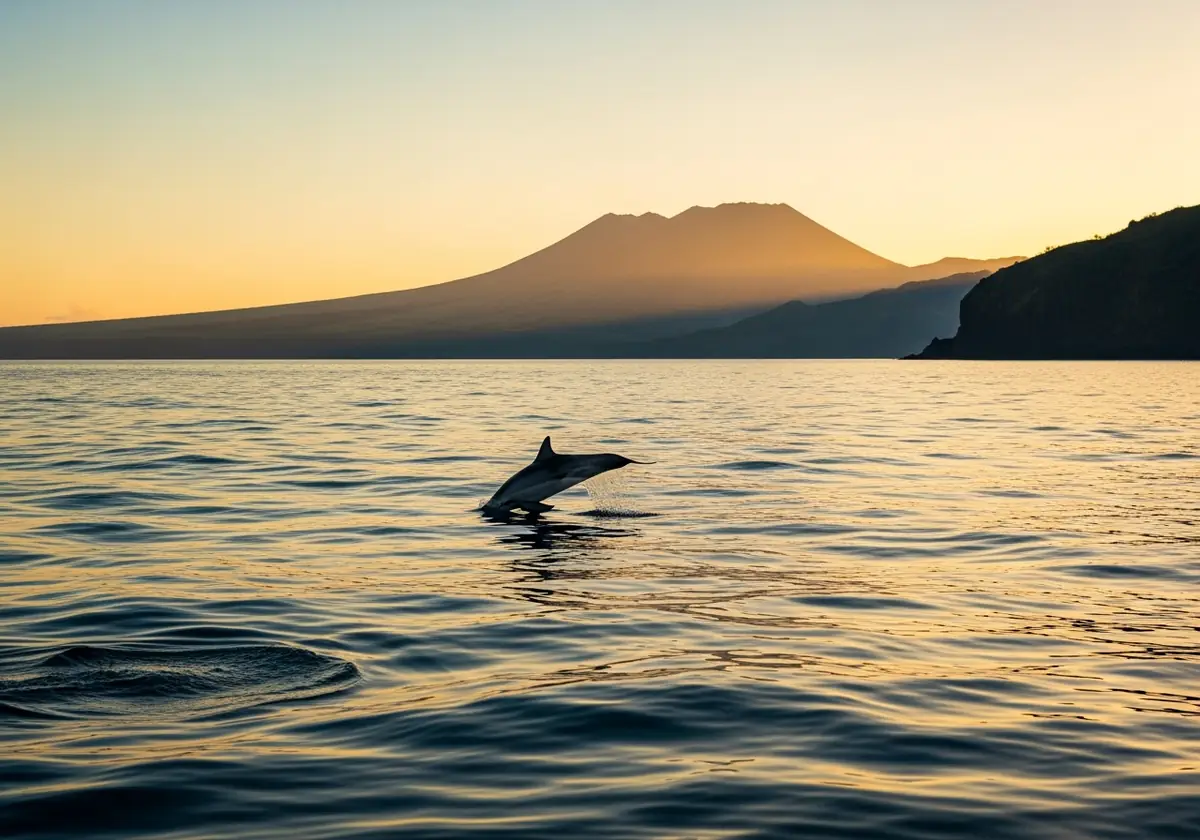
Experience the captivating world of Lembata whale watching in the Savu Sea, where majestic cetaceans such as sperm whales and dolphins grace the waters. Plan your visit between June and November for optimal sightings, and into the rich cultural heritage of Lamalera’s traditional whale hunters.
Lembata Whale Watching Overview
Lembata, located in East Nusa Tenggara, offers a unique opportunity to observe some of the world’s most fascinating marine mammals in their natural habitat. The island’s strategic location in the Savu Sea makes it a prime spot for witnessing the migration of various cetacean species. The local community, with deep cultural ties to the sea, welcomes visitors to share in this natural spectacle.
Savu Sea Cetacean Species
The Savu Sea is home to a diverse range of cetacean species. Visitors can expect to see sperm whales, known for their deep diving capabilities, as well as playful spinner dolphins and the larger pilot whales. Occasionally, the elusive blue and Bryde’s whales make an appearance, adding to the allure of these waters.
Lamalera Traditional Whale Hunters
The village of Lamalera is renowned for its traditional whaling heritage, a practice passed down through generations. While the community’s subsistence whaling is part of their cultural identity, it is essential to observe this tradition respectfully. Visitors can learn about the intricate relationship between the whale hunters and the sea, understanding the skill and reverence involved in their practices. Explore more about the Lamalera cultural tour to gain deeper insights.
Best Time for Whale Watching in Lembata
The prime season for whale watching in Lembata is from June to November. During these months, the Savu Sea’s warm waters attract various marine mammals, making it the ideal time for sightings. As Holy Week 2027 approaches, with Good Friday on March 26, early planning is advised due to peak season accommodations filling up quickly.
Whale Watching Tour Operators Near Lembata
There are several local tour operators offering whale watching excursions in Lembata. These tours provide a chance to observe cetaceans in their natural environment while supporting local conservation efforts. For a personalized experience, contact Komodo Luxury, renowned for their thoughtful and culturally sensitive travel experiences.
Blue Whale and Bryde’s Whale Corridors
The migration corridors of blue and Bryde’s whales pass through the Savu Sea, creating unique opportunities for sightings. These gentle giants traverse these waters as they follow their migratory paths, offering a striking experience for those fortunate enough to witness them.
Sperm Whale Ecology in Savu Sea
Sperm whales are among the most intriguing species found in the Savu Sea. Known for their social structures and deep diving, they are a highlight for marine enthusiasts. Observing these majestic creatures offers insight into their complex behaviors and the ecological importance of their presence in Eastern Indonesia’s marine ecosystem.
Lembata Travel Logistics and Flights
Traveling to Lembata involves a journey through East Nusa Tenggara. The nearest airport is Frans Seda Airport in Maumere, followed by a scenic 3.5 to 4.5-hour drive to Larantuka. From there, the ferry to Lembata takes approximately 1.5 to 2 hours. Ensure you check ferry schedules in advance to align with your travel plans.
What’s Included in a Whale Watching Tour
- Boat transportation with safety equipment
- Experienced local guide
- Refreshments during the tour
- Educational materials on cetaceans
Good to Know
- Respect local customs and traditions
- Bring sun protection and binoculars
- Advance bookings recommended during peak season
Marine Conservation in Eastern Indonesia
Marine conservation efforts in Eastern Indonesia are crucial for protecting the rich biodiversity of the Savu Sea. Local initiatives aim to balance ecological preservation with community needs, ensuring that future generations can continue to enjoy these natural wonders. Supporting these efforts is an integral part of any whale watching experience in Lembata.
Whale Watching Ethics and Safety
Participating in whale watching requires adherence to ethical guidelines to minimize impact on marine life. Tour operators in Lembata prioritize safety and conservation, maintaining respectful distances from the animals and following regulations designed to protect the delicate marine environment. Visitors are encouraged to follow these practices to ensure a sustainable experience.
FAQs
When is the best time to see whales in Lembata?
The best time to see whales in Lembata is from June to November, when cetaceans migrate through the Savu Sea.
Are there whale watching tours available near Lembata?
Yes, several local operators offer whale watching tours near Lembata, providing guided experiences to observe cetaceans in their natural habitat.
What species of whales can be seen in the Savu Sea?
The Savu Sea hosts a variety of cetaceans, including sperm whales, pilot whales, spinner dolphins, and occasionally blue and Bryde’s whales.
Is whale hunting still practiced in Lamalera?
Whale hunting in Lamalera is practiced as a part of the community’s cultural heritage, focusing on subsistence rather than commercial purposes.
For a comprehensive travel plan, you can plan your trip on WhatsApp with our team at Larantuka Flores, operated by Komodo Luxury.
Cultural Heritage of Lamalera Village
Lamalera Village, located on the southern coast of Lembata Island in Eastern Indonesia, is renowned for its rich cultural heritage rooted in traditional subsistence whaling practices. This village uniquely exemplifies a way of life that has been passed down through generations. The people of Lamalera engage in subsistence whaling using traditional methods, such as canoes and hand-thrown harpoons, to sustainably hunt whales for their community’s needs.
The practice is deeply intertwined with the villagers’ spiritual beliefs and social structure. It is important to understand that the whale hunters of Lamalera target specific species, such as sperm whales, and follow strict cultural norms and taboos that govern their hunts. This tradition is seen as a form of respect and symbiosis with the marine environment, particularly the whale corridors of the Savu Sea.
Lamalera’s cultural heritage is not only of local significance but also of global interest. Visitors who respect and appreciate this heritage can gain insight into a unique way of life that is harmoniously balanced with the natural world. For those interested in cultural experiences, understanding Lamalera’s traditions offers a profound connection to the island’s history.
- Location: Southern coast of Lembata Island
- Traditional Methods: Canoes and harpoons
- Main Species: Sperm whales, sometimes blue and Bryde’s whales
- Cultural Significance: Spiritual and communal
To further explore the cultural heritage of East Flores, consider visiting during Semana Santa for an enriching experience.
Nearby Islands for Whale Exploration
Lembata Island, along with its neighboring isles, offers a splendid opportunity for whale watching enthusiasts to explore the rich marine life of Eastern Indonesia. The waters around Lembata and the Savu Sea are recognized for their abundance of cetaceans, including blue whales, Bryde’s whales, and a variety of dolphins.
During whale season, from May to August, these waters become a prime spot for observing the migratory patterns of different whale species. The nearby islands, such as Alor and Pantar, are also part of the expansive whale corridors that host these magnificent marine mammals.
- Lembata: Sperm whales, pilot whales
- Alor: Bryde’s whales, spinner dolphins
- Pantar: Bottlenose dolphins
For those planning a comprehensive whale watching tour, the SongLine Cruises offer an immersive experience, allowing visitors to witness the beauty and majesty of these creatures in their natural habitat. These cruises often operate during the peak season, offering a chance to see whales in closer proximity.
For a smooth journey, consider incorporating a trip from Maumere to Larantuka, followed by a ferry ride to Lembata, which provides a scenic backdrop for your exploration.
Plan Your 2027 Whale Watching Trip
As you plan a visit to East Flores and the surrounding islands, consider timing your trip to coincide with the peak whale watching season from June to November. This period offers optimal conditions for observing the diverse array of whales and dolphins that inhabit the Savu Sea and the waters around Lembata.
For future planners, the year 2027 presents an exciting opportunity to combine this natural spectacle with the cultural richness of the region. Imagine attending the Prosesi Laut sea procession during Semana Santa, which begins on Good Friday, 26 March 2027, and then begining on a whale watching adventure.
When arranging your journey, keep in mind the travel durations: the road trip from Maumere to Larantuka takes approximately 3.5 to 4.5 hours, and the ferry from Larantuka to Lembata takes around 1.5 to 2 hours. It is advisable to confirm travel and accommodation costs, as these can vary.
For detailed planning and inquiries about your 2027 journey, feel free to plan your 2027 East Flores trip on WhatsApp.